


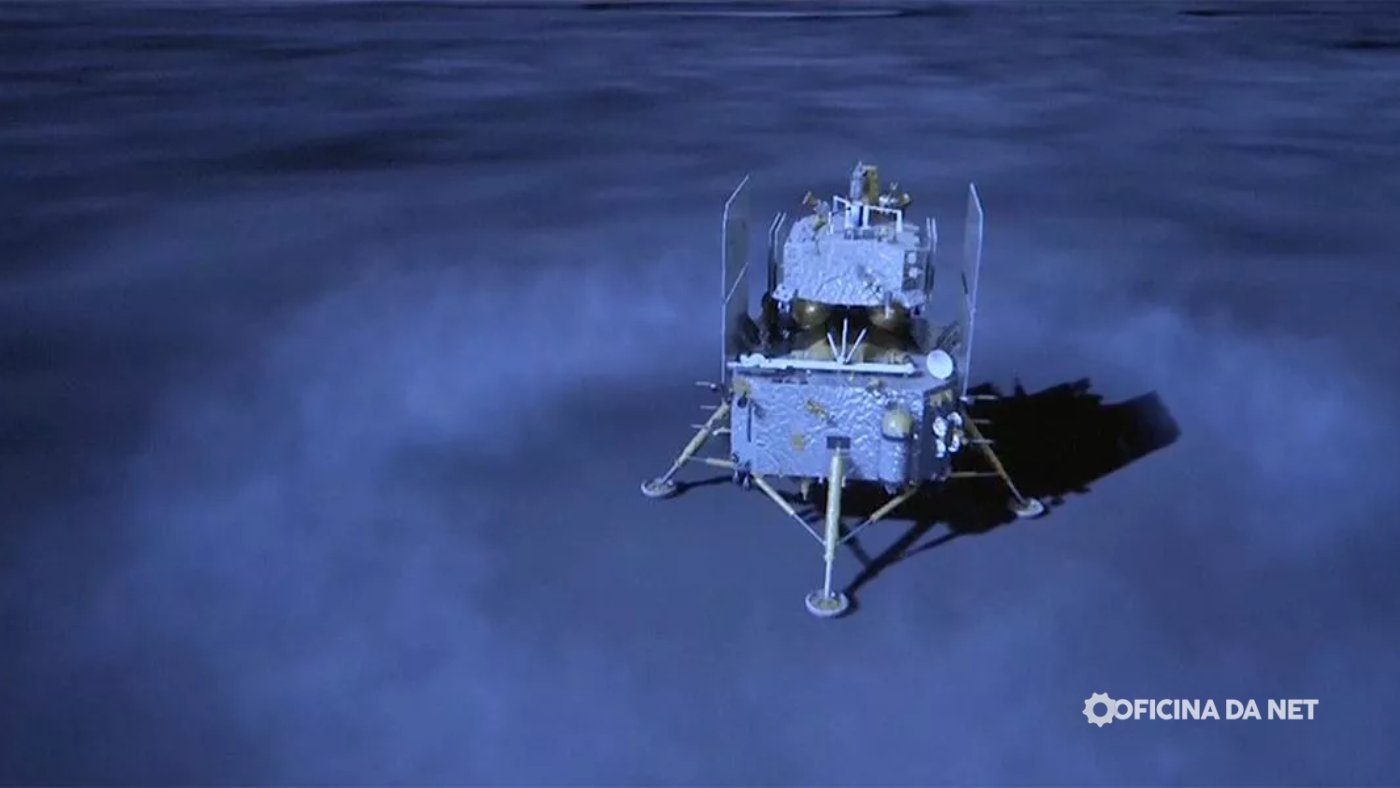

China made history in space exploration on Sunday, June 2, 2024, when an unmanned spacecraft successfully landed on the far side of the Moon. The Chang’e 6 spacecraft, launched in early May, entered lunar orbit approximately a week later with the goal of obtaining soil samples and rocks from this uncharted area, which no other country has explored.
China’s Chang’e 6 Mission successfully lands on the far side of the Moon.
The ship successfully landed in the South-Aitken Pole Basin on June 2, an area on the moon that is famous for its challenging dark and deep craters that make communication and robotic landing difficult.
Landing on the far side of the Moon comes with major obstacles. The mission relies on various connections within the control system or a high level of automated operations due to the lack of direct communication with Earth.
Neil Melville-Kenney, a technician from the European Space Agency who worked with China on the mission, emphasized the challenges of landing in regions with high lunar latitudes. This is because long shadows make navigation and automatic landing more difficult.
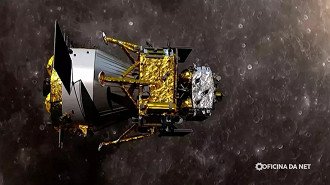
The Chang’e 6 lander has instruments such as a spoon and drill to gather around 2 kg of moon samples over a two-day period. Following collection, the samples will be loaded onto a propulsion rocket that will reunite with the main spacecraft in lunar orbit before heading back to Earth. The projected date for the return mission is June 25, 2024, with a landing planned in China’s Inner Mongolia region.
Significance of the mission
China’s successful landing on the far side of the Moon with the Chang’e 6 mission showcases the country’s technological prowess and puts it at the forefront of space exploration.
The gathering of samples from the far side of the Moon will offer fresh perspectives on the 4.5 billion-year history of Earth’s moon and aid in comprehending the solar system’s formation. Furthermore, it will enable a unique comparison between the hidden side and the more familiar side of the Moon that is visible from Earth.
China has joined a select group of nations that have launched spacecraft to the Moon, such as the former Soviet Union, India, and the United States, which were the first to land humans on the Moon in 1969. In addition, there have been two other lunar landings this year: Japan’s Slim landing module in January and the American startup Intuitive Machines’ landing module in February.

